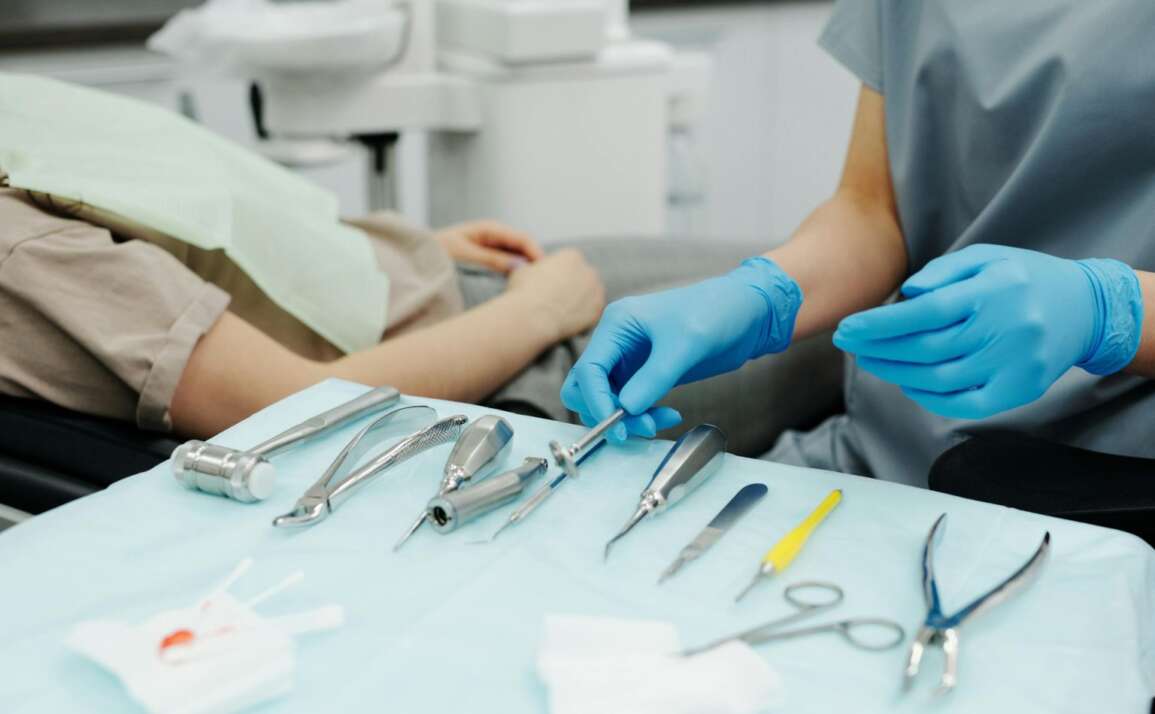

A missing tooth does not stay a quiet gap. The gum heals, the bone underneath starts to shrink, and the teeth around the space may begin to drift. None of this usually happens overnight, which is why many people put the decision off. The catch is that waiting can change the treatment.
You do not need to panic after losing a tooth. You do need a plan.
The best time to ask is before the socket fully changes
After a tooth comes out, the jaw no longer receives the same chewing force in that spot. Bone is living tissue. Without a tooth root or implant carrying load, the ridge can lose height and width over time.
That matters because an implant needs stable bone around it. If the bone has narrowed too much, the dentist may need extra steps before placing an implant. In some cases, that means a graft. In other cases, the implant angle, crown shape or treatment choice may change.
So the real question is not, ‘How long can I ignore it?’ A better question is, ‘What will the gap look like by the time I’m ready?’

Some gaps can wait, but they should still be monitored
A back molar gap may feel easy to ignore because nobody sees it when you smile. Many patients chew on the other side and move on. Simple. Until food starts packing into the space, the opposite tooth begins to over-erupt, or the neighbouring teeth tilt.
Front teeth create a different problem. The smile line, gum shape and temporary tooth options matter more. The longer the space sits, the harder it can be to keep the gum contour looking natural.
This is where missing tooth replacement planning helps. A dentist can check the space early, even if you are not ready to start treatment.
Immediate, early and delayed implants are different choices
Some patients can have an implant placed soon after extraction. Others need the socket to heal first. Infection, bone thickness, gum health, smoking, diabetes, grinding and the tooth’s position can all affect timing.
| Timing option | What it usually means |
| Immediate placement | Implant placed at or soon after extraction, if the site is suitable |
| Early placement | Short healing period first, then implant placement |
| Delayed placement | Longer healing period before implant surgery |
| Delayed with grafting | Bone support needs rebuilding before or during implant treatment |
The non-obvious point: faster is not always better. An implant after tooth extraction only makes sense if the site can support it. A rushed implant in an infected or weak site can create more trouble than a planned delay.

Waiting can add steps, not just time
A delay does not automatically rule out a single tooth implant. Many people get implants months or even years after tooth loss. The question is what the delay has changed.
If the bone ridge has shrunk, the dentist may discuss a bone graft for dental implant treatment. If the teeth have shifted, the gap may no longer be the right width for a natural-looking crown. If the bite has changed, the crown may need extra planning.
Cost can change too. The implant fixture and crown may be only part of the total fee if scans, grafting, extractions, temporary teeth or complex surgery are needed. That is why comparing tooth implant cost Melbourne quotes without checking what is included can lead to confusion.
Affordable Dentist Melbourne lists implant pricing and cost factors on its affordable dental implants service page.
You may need to deal with the cause of tooth loss first
If trauma caused the tooth loss, the surrounding teeth and bone need checking. If decay caused it, the dentist needs to check the rest of your mouth. If gum disease was involved, rushing straight to an implant can be the wrong move.
Implants do not get cavities, but the gum and bone around them still need care. Plaque, smoking, uncontrolled grinding and untreated gum problems can affect healing and long-term stability.
An implant consultation should not feel like ordering a part. It should include an exam, X-rays or scans if needed, medical history, bite check and a clear explanation of your options.
FAQs about waiting for a dental implant
Can I wait a year after losing a tooth?
Sometimes, yes. A year may still leave enough bone for an implant, but the gap should be checked. Bone loss, tooth movement and bite changes are easier to manage when caught early.
Is it too late to get an implant after several years?
Not always. Many long-standing gaps can still be treated. You may need extra planning, grafting or a different replacement option depending on bone level and space.
Should I replace a missing back tooth if it doesn’t hurt?
Pain is not the only reason to replace a tooth. A back tooth helps with chewing, bite balance and stopping nearby teeth from drifting. A dentist can tell you how much risk that specific gap carries.
Do not wait for the gap to become annoying before asking. If you have lost a tooth, book a consultation so we can check the bone, gum, bite and space, then explain your options. Affordable Dentist Melbourne can assess your suitability for dental implants Melbourne and help you decide the right timing before treatment becomes more complicated.