
Many Australians looking into invisible braces ask the same question: can Medicare help cover the cost? The short answer is usually no. Medicare does not generally pay for routine dental care, and invisible braces, Invisalign-style treatment and clear aligners are normally treated as orthodontic dental services.
That said, the answer is not always as simple as “no cover at all”. Children, eligible families, private health insurance members and patients using payment plans may still have options. This guide explains what Medicare does and does not cover, what the Child Dental Benefits Schedule means, and how to make clear aligner treatment more affordable.
In Short: Does Medicare cover invisible braces?
In most everyday cases, Medicare does not cover invisible braces in Australia. This includes:
- Clear aligners
- Invisalign-style orthodontic treatment
- Cosmetic teeth straightening
- Routine adult braces
- Most private orthodontic care
Invisible braces or clear aligners in Melbourne are usually classed as orthodontic treatment rather than medically necessary hospital care. Medicare mainly supports medical services, while dental and orthodontic treatment sit mostly outside regular Medicare funding.

What are invisible braces?
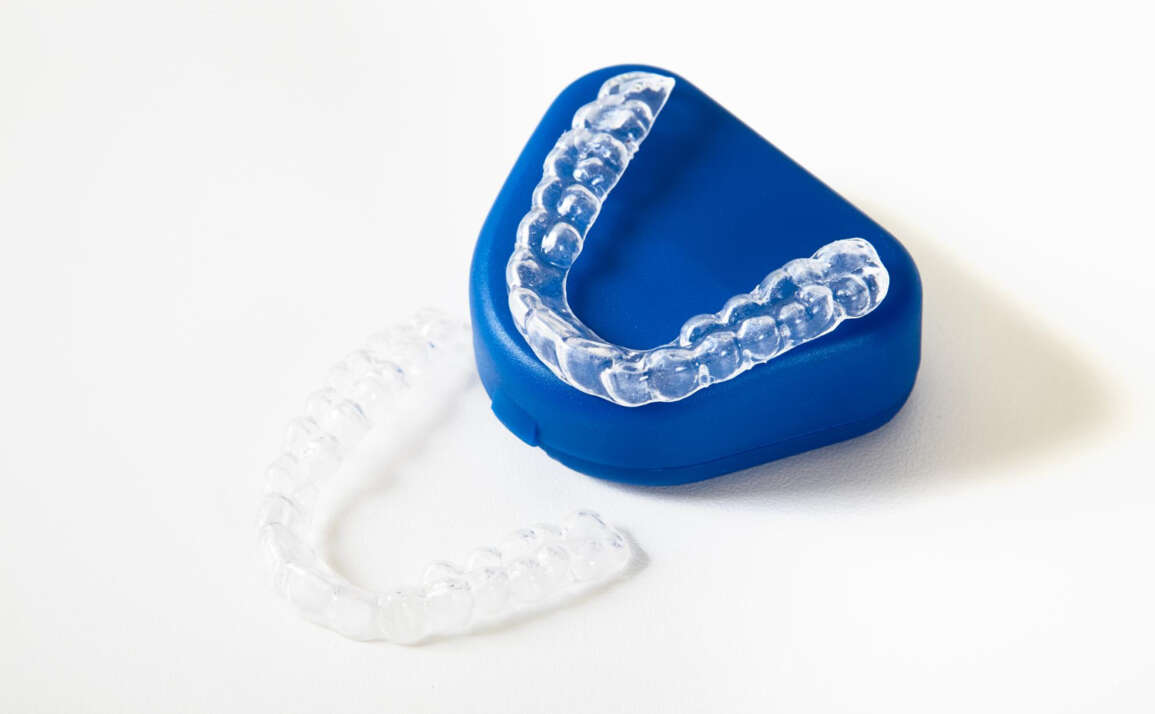
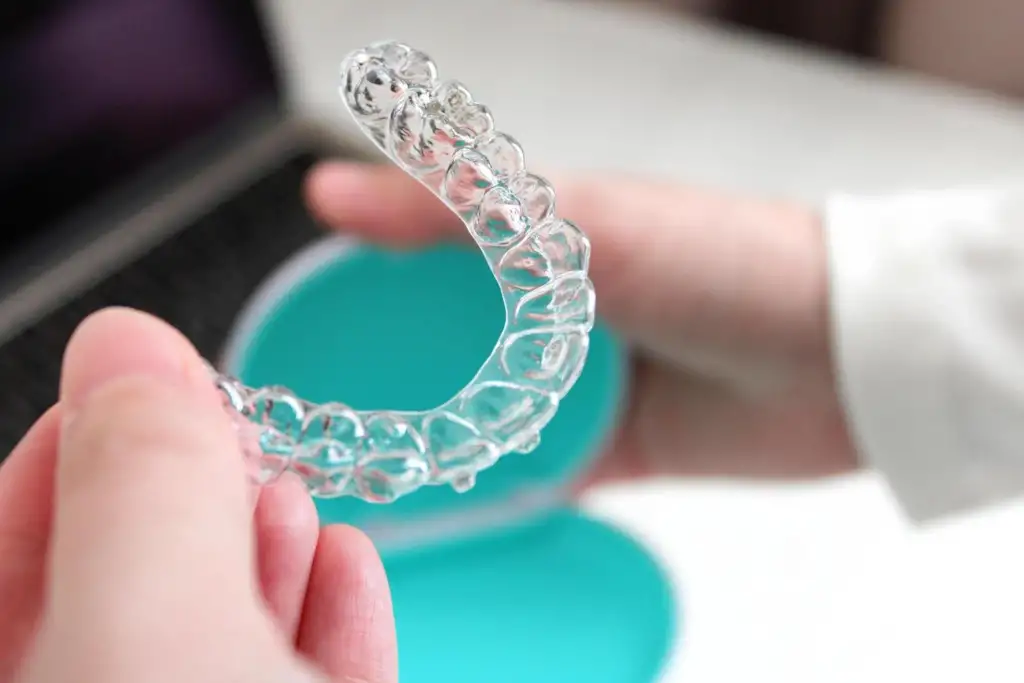
“Invisible braces” usually refers to clear aligners. These are thin, removable plastic trays that fit over the teeth and gently move them into a better position over time.
People often choose clear aligners because they are:
- Less noticeable than metal braces
- Removable for eating and brushing
- Often suitable for adults and teens
- Used for mild to moderate spacing, crowding and alignment concerns
They are not suitable for every case. More complex bite problems may need traditional braces or specialist orthodontic care. A dental assessment is needed before anyone can know which option is suitable.
Medicare, CDBS and private health: What is the difference?
The table below gives a simple overview.
| Option | Does it usually cover invisible braces? | What to know |
| Medicare | No | Most routine dental and orthodontic treatment is paid privately |
| Child Dental Benefits Schedule | Usually no | Covers some basic dental services for eligible children, but not orthodontic or cosmetic dental work |
| Private health extras | Sometimes | Orthodontic benefits depend on your policy, limits and waiting periods |
| Payment plans | Often available | Many clinics let patients spread treatment costs over time |
Services Australia states that the Child Dental Benefits Schedule, often called CDBS, covers part or all of the cost of some basic dental services for eligible children. From 1 January 2026, the CDBS cap is listed as $1,158 over two consecutive calendar years.
Does CDBS cover braces or clear aligners?
If you are wondering whether CDBS cover braces, usually it doesn’t. CDBS can help with basic dental services for eligible children aged 0 to 17, but orthodontic dental work, cosmetic dental work and dental services in a hospital are not covered under the scheme.
CDBS may help with general dental care, but it is not designed to pay for braces, Invisalign or clear aligners.
Typical CDBS-covered services may include:
- Dental check-ups
- X-rays
- Cleaning
- Fissure sealants
- Fillings
- Extractions
- Root canal treatment
Orthodontic treatment sits outside that usual list.
Can private health insurance help?
Private health insurance may help, but only if your extras policy includes orthodontic benefits. Even then, cover can vary widely.
Before starting treatment, ask your health fund:
- Does my extras policy include orthodontics?
- Is there a waiting period?
- What is the annual limit?
- Is there a lifetime orthodontic limit?
- Do you need item numbers before approving a claim?
- Can I claim for clear aligners, or only traditional braces?
A good dental clinic should be able to provide a written treatment plan and relevant item numbers where applicable. Patients can then check directly with their health fund before making a decision.
How much do invisible braces cost without Medicare?
The cost of invisible braces in Australia depends on the complexity of the case, treatment time, records, scans, refinements, retainers and review appointments. A mild alignment case may cost less than a longer, more complex treatment plan.
Because Medicare usually does not apply, patients should ask for a full quote upfront. It is sensible to check whether the price includes:
- Initial consultation
- Digital scans or impressions
- X-rays or photos
- Aligner trays
- Review appointments
- Refinements
- Final retainers
When consulting with a dentist in Melbourne CBD, look for clear pricing, written inclusions and realistic advice about whether aligners suit your teeth.
If cost is only one part of your decision, you may also find Why Invisible Braces Are the Perfect Choice for Working Professionals, especially if you want discreet teeth straightening that fits around meetings, meals and daily routines.
What can you do if Medicare does not cover treatment?
If Medicare is not an option, patients still have a few practical paths:
- Check private health extras: Some policies may contribute to orthodontic care.
- Ask for item numbers: Your fund can confirm likely benefits before treatment starts.
- Use a payment plan: Spreading the cost can make treatment easier to manage.
- Compare aligners and braces: The cheapest option is not always the right clinical option.
- Get a proper assessment: Gum health, tooth position and bite all affect suitability.
For many patients, the best first step is to book a consultation and ask for a personalised quote.
Frequently Asked Questions
Can you get invisible braces on Medicare in Australia?
Usually, no. Medicare does not generally cover invisible braces, Invisalign or clear aligners because they are classed as dental or orthodontic treatment. Most patients pay privately, use private health extras if eligible, or ask about payment plans.
Does Medicare cover Invisalign for adults?
In most cases, Medicare does not cover Invisalign for adults. Adult clear aligner treatment is usually private dental care. A clinic can still provide a quote and treatment plan so you can check any private health insurance benefits.
Does CDBS cover braces for children?
CDBS usually does not cover braces. It helps eligible children with some basic dental services, however orthodontic and cosmetic dental work are excluded from CDBS cover.
Can private health cover clear aligners?
Some private health extras policies may contribute to orthodontic treatment, including clear aligners, but cover depends on the fund and policy. Check waiting periods, yearly limits, lifetime limits and item numbers before starting treatment.
Are invisible braces worth it if Medicare does not cover them?
They may be worth considering if you want discreet teeth straightening and your case is suitable. The better question is whether aligners are clinically right for your teeth, budget and goals. A consultation can help you decide.