When a dentist recommends an implant bridge, the next question often comes quickly: what should it be made from? In most cases, the discussion comes down to Zirconia vs Titanium.
Both materials are widely used in modern implant dentistry, and both have a strong record in the right clinical setting. Titanium remains the established standard for dental implants because of its long history of osseointegration, while zirconia is valued for its tooth-coloured appearance and its appeal as a metal-free option.
What is an implant-supported bridge?
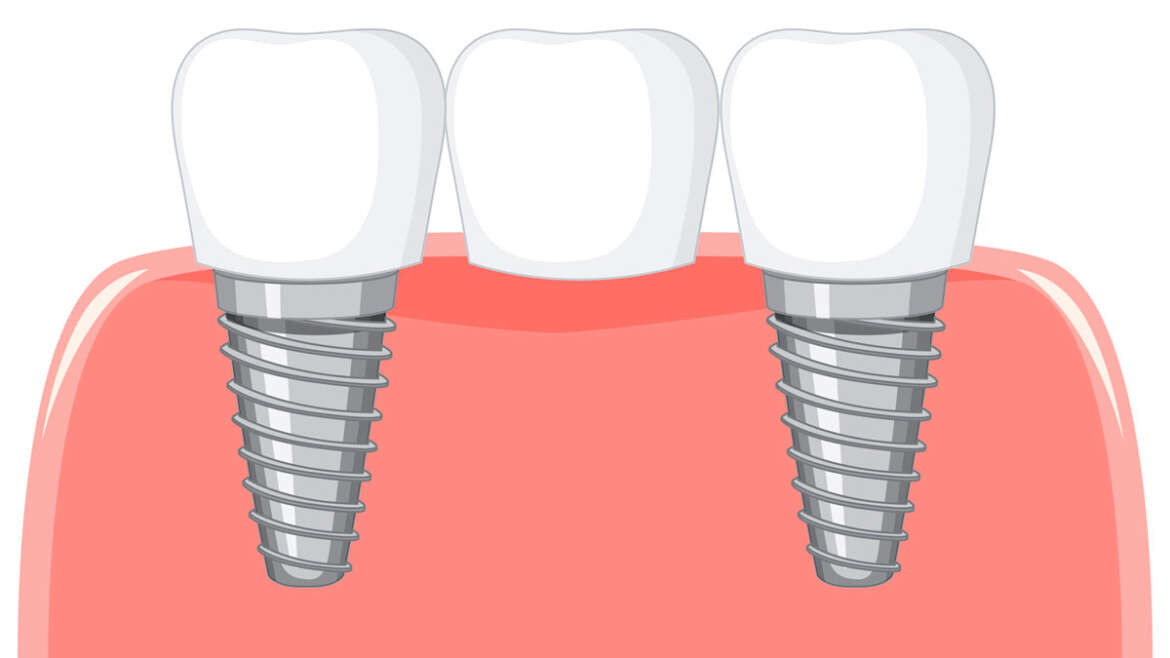
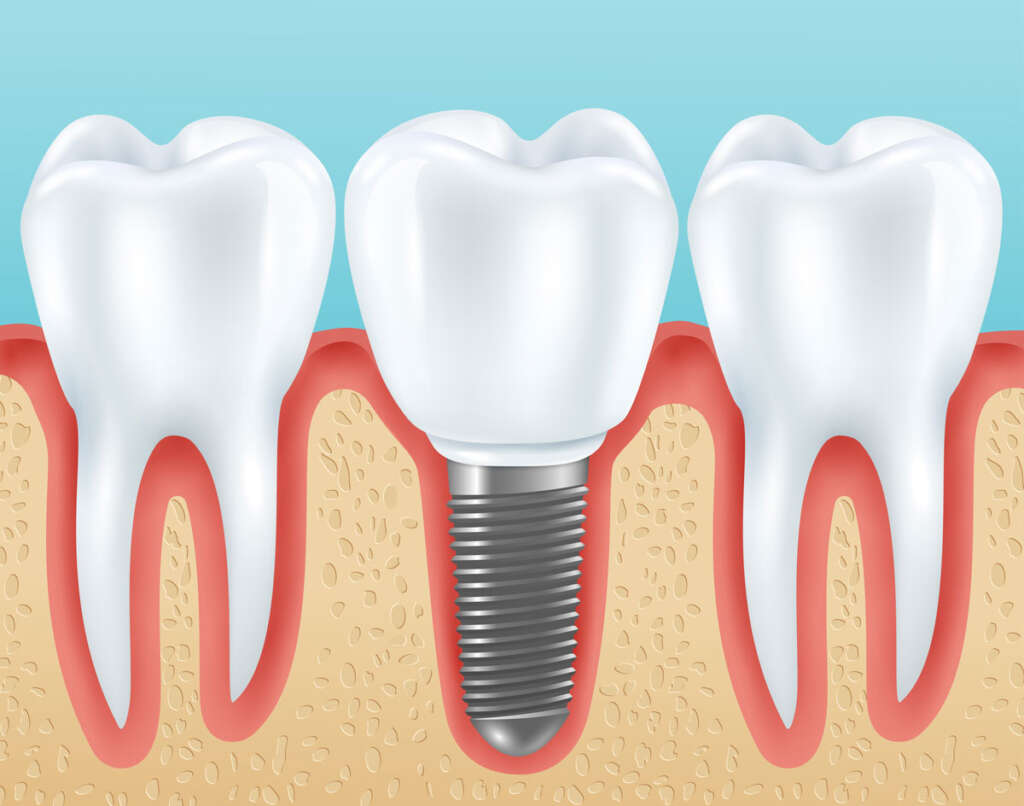
An implant-supported bridge replaces one or more missing teeth by fixing a bridge to dental implants placed in the jawbone, rather than relying on neighbouring natural teeth for support. This can protect adjacent teeth from being cut down for crowns and can provide a stable bite. Mayo Clinic notes that implants act as artificial tooth roots and fuse with the jawbone, which is one reason they are often chosen over conventional options in suitable patients.
Zirconia and titanium at a glance
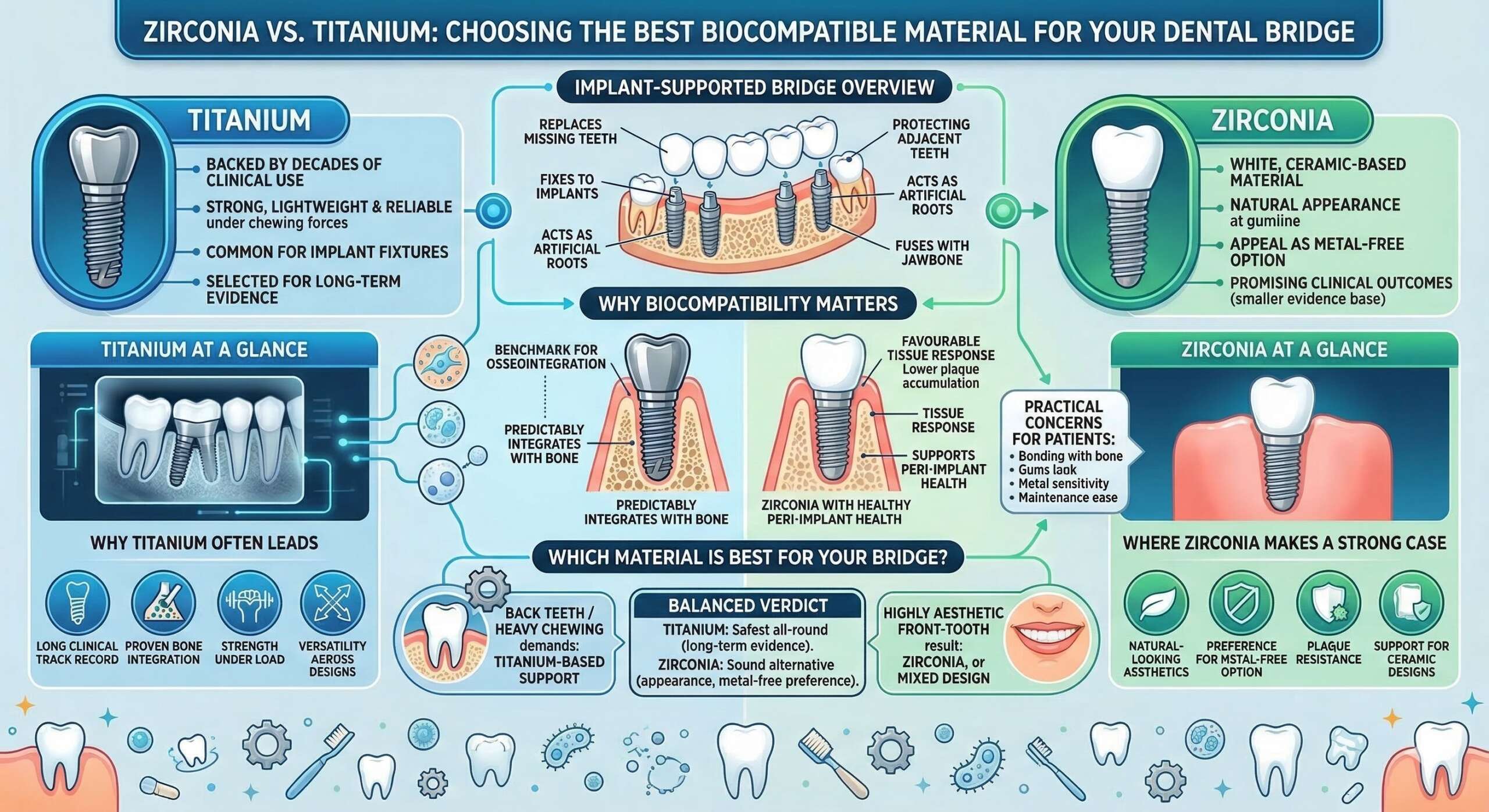
The simplest way to compare zirconia and titanium is by looking at what each material tends to do well:
Titanium
- Backed by decades of clinical use
- Strong, lightweight and highly reliable under chewing forces
- Commonly used for the implant fixture itself
- Often selected where long-term evidence matters most
Zirconia
- White, ceramic-based material with a more natural appearance at the gumline
- Attractive to patients seeking a metal-free restoration
- Shows promising clinical outcomes, though the evidence base is still smaller than it is for titanium implants
- Frequently used as the visible bridge or superstructure, sometimes over a titanium bar
In real treatment planning, the choice is not always one material or the other from top to bottom. Many full-arch and bridge designs combine a zirconia restoration with titanium support components to balance appearance, fit and durability.
Why biocompatibility matters
The idea of biocompatible dental implants is straightforward: the material should sit well with bone and soft tissue, without provoking an unwanted reaction. Titanium has earned its reputation here because it predictably integrates with bone. In fact, titanium is the benchmark material for osseointegration. Zirconia also shows favourable tissue response and has drawn attention for lower plaque accumulation in some studies, which may support peri-implant health in selected cases.
For patients, that translates into practical concerns such as:
- How well the implant bonds with bone
- How the gums look around the restoration
- Whether the material suits someone with metal sensitivity concerns
- How easy the bridge is to maintain over time
Where titanium often comes out ahead
Titanium still leads in one area that many dentists value most: depth of evidence. It has been studied for years, across many implant systems and patient groups. That makes treatment planning more predictable, especially for complex bite loads or multi-unit cases. Titanium implants are also less brittle than ceramic materials, which can be relevant where function is heavy and margins for error are small.
In day-to-day terms, titanium is often preferred when the priority list includes:
- A long clinical track record
- Proven bone integration
- Strength under load
- Versatility across a wide range of implant designs
Where zirconia makes a strong case
Zirconia has clear appeal too. Its colour is closer to natural tooth structure, so it may be helpful in areas where the gumline is thin or aesthetics are a major concern. It also suits patients who are specifically looking for a metal-free restoration.
A dentist may lean towards zirconia when these factors matter most:
- Natural-looking aesthetics
- Preference for a metal-free option
- Plaque resistance and soft-tissue response
- A bridge design that supports ceramic-based materials well
Which material is best for your bridge?
There is no universal winner. The better choice depends on the site of the missing teeth, the amount of bite force, the look of the smile line, bone quality, and the type of bridge being planned.
A patient replacing back teeth with heavy chewing demands may be steered towards titanium-based support. Someone focused on a highly aesthetic front-tooth result may be more interested in zirconia, or in a mixed design that uses zirconia where it is seen and titanium where it adds structural support.
A balanced verdict is this: titanium remains the safest all-round option when long-term evidence is the deciding factor, while zirconia is a sound alternative for selected cases, particularly where appearance and a metal-free preference are high on the list.
Also Read: Zirconia vs Titanium: Weighing Up the Materials Behind a Confident Smile
Frequently Asked Questions:
1. Can I use my Superannuation for dental implants in Melbourne?
Possibly. In Australia, early release of Super for dental treatment may be allowed on compassionate grounds through the ATO when the treatment is necessary for you or a dependant and you meet the eligibility rules. The location, including Melbourne, does not change the national ATO process.
2. Are zirconia implants better than titanium for a bridge?
Not across the board. Titanium has the longer clinical record, while zirconia may suit patients who want a metal-free, highly aesthetic result. The better option depends on function, aesthetics and case design.
3. How long does a zirconia dental bridge last?
Longevity varies with design, bite forces, oral hygiene and maintenance. Five-year data for zirconia-based bridges and reports of zirconia implant-supported restorations reveal generally high survival rates, but no fixed lifespan applies to every case.
4. Do zirconia implants look more natural than titanium?
Often yes, especially near thin gums, because zirconia dental implants is white rather than metallic grey. That aesthetic edge is one of its main advantages.
5. Is a mixed zirconia-and-titanium bridge common?
Yes. Some full-arch and bridge restorations use zirconia for the visible teeth and a titanium bar or framework for support. This approach aims to combine appearance with structural stability.