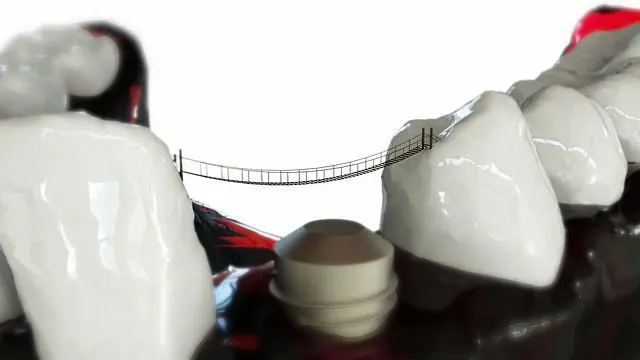

Dental implants are now the standard option to replace a missing tooth. Unlike other restorative methods, dental implants offer a permanent solution for missing teeth that mimics the function and appearance of natural teeth. For many Australians, they provide a renewed sense of confidence and the ability to restore the function of their mouth. However, the success of this procedure is not solely dependent on the skill of the surgeon or the quality of the titanium post.
The link between smoking and dental implants is not just a small warning on a consent form. Tobacco and nicotine change blood flow to the jaw, how bone cells behave and how the gums respond to plaque, all of which directly affect implant outcomes.
How Dental Implants Heal?
A dental implant is a small titanium post placed into the jawbone to act as an artificial tooth root. After surgery, bone cells grow onto the implant surface so it locks into place. This process, called osseointegration, depends on:
- healthy, infection-free gums
- good quality bone
- steady blood supply to the area
- low bacterial load and gentle function while it heals
When these conditions are met, long term success rates in healthy non-smokers are usually very high.
Anything that reduces blood flow, irritates the gums or increases plaque can disrupt healing and trigger peri-implantitis, an inflammatory condition where gum infection leads to progressive bone loss around the implant.
How Smoking Impacts Healing and Success Rate of Dental Implants?
To understand why smoking and vaping are such an issue for implant patients, it helps to look at how the body actually heals after surgery.
When a dental implant is placed, the jawbone starts a process called osseointegration, the bone grows onto and around the titanium post so it becomes firmly anchored. That bond between bone and implant is what gives implants their strength and long-term stability.
Nicotine gets in the way of this process in several ways:
- Nicotine Narrows Blood Vessels
Whether it comes from a cigarette or a vape, nicotine is a vasoconstrictor. As it tightens the blog vessels, gums and jawbone receives less blood flow.
- Reduced Oxygen and Nutrients to The Surgical Site
Blood carries oxygen and nutrients, which your cells need to repair tissue and fight off infection. When blood flow drops, the surgical area is basically running on low fuel during a time it needs support the most.
- Slower and Weaker Bone Healing
With less blood supply, bone cells can’t work at full capacity. This can:
- slow down recovery
- reduce the quality of the bone that forms around the implant
- lead to a weaker bond between the implant and the jaw
Research has shown that smokers 2.4 times the risk of failure compared with non-smokers. In real terms, that means the odds of an implant not taking, or failing earlier than expected, are noticeably higher if you smoke or vape.
Vaping: A False Sense of Security?
Vaping is often promoted as a cleaner alternative to smoking, but the vapour isn’t harmless. E-liquids usually contain propylene glycol, vegetable glycerine, flavourings and nicotine.
When heated, they produce a hot vapour that can dry out the mouth. With less saliva to wash away bacteria and neutralise acids, the risk of infection around implants increases. The chemicals in vape aerosol have also been linked to gum inflammation, similar to the damage seen with traditional smoking.
Short Term and Long-Term Risks for Smokers and Vapers
For smokers and vapers, the main short-term risk is early implant failure. The implant may not properly fuse with the bone, leading to mobility, ongoing discomfort or infection in the first few months.
The main long-term concern is peri-implantitis. Warning signs include:
- bleeding or swollen gums around the implant
- persistent bad breath or a bad taste
- deep pockets detected by the dentist
- gradual bone loss on x-rays.
Without treatment, bone loss can reach a point where the implant can no longer be kept.
Your dentist can explain typical compared with non-smokers and suggest ways to lower your personal risk, such as staged treatment, bone grafting or closer maintenance.
Is It Possible for Smokers to Have Successful Implants?
The short answer is yes, but it requires strict management. Being a smoker does not automatically disqualify you from receiving treatment, but it does place you in a higher risk category. Discussions regarding dental implant success rates smokers often focus on the importance of a “cessation window.”
Most dental professionals recommend a strict protocol for patients who use nicotine:
- Pre-surgical Cessation: Quitting at least two weeks before the procedure allows blood flow to improve and oxygen levels in the tissues to return to near-normal.
- Post-surgical Abstinence: Remaining smoke-free for at least eight weeks after surgery is critical. This eight-week period is when the most intense bone healing and osseointegration occur. Disrupting the process during this window can be the difference between integration and rejection.
Protecting Your Investment
There is no single timetable that suits everyone, but common advice from dentists includes:
- stop smoking and vaping at least 1–2 weeks before implant surgery
- avoid all nicotine for 6–8 weeks after placement
- wait for your dentist to confirm stable healing before any return to nicotine use.
Quitting is ideal, yet even cutting down before surgery can improve blood flow and reduce the strain on healing tissues. Support from a GP, Quitline and formal cessation programs can make these changes far more achievable.
Daily care is just as important as cutting back on nicotine. Simple habits make a real difference:
- brush twice a day with a soft toothbrush
- clean between teeth and implants with floss or interdental brushes
- use any prescribed antibacterial mouthrinse as directed
- keep up with regular check-ups so your dentist can monitor bone levels with x-rays and gum measurements
For more insights on long-term care, it’s worth reading about expected lifespan of dental implants and practical ways to protect them. Understanding the maintenance phase is just as important as the surgery itself.
Final Thoughts
If you smoke or vape and you’re thinking about dental implants, being upfront with your dentist really helps. Together, you can map out a plan to manage nicotine use or withdrawal during those early healing weeks so your implants have the best chance to settle in properly.
A consultation with our team can give you clear, personalised advice, including honest discussion of healing risks and practical support to improve your outcomes. Schedule an appointment today!
Frequently Asked Questions
- Can I still get dental implants if I smoke?
Often, yes. Your dentist will assess your general health, medications, bone levels and gum condition. Many smokers can still have implants, but you will usually be encouraged to stop or at least cut down around the time of surgery to lower the chance of failure or infection. - Is vaping safer than smoking for dental implants?
Vaping avoids some of the combustion products in cigarette smoke, yet it still delivers nicotine and other chemicals that may irritate oral tissues. Because long term research on implants in vapers is limited, most clinicians treat vaping as a risk and advise avoiding it during the healing phase. - What happens if I return to smoking after my implants heal?
Some patients do slip back into smoking or vaping. If that happens, closer monitoring is important. Your dentist may recommend more frequent professional cleans, specific home-care tools and ongoing support to cut down or quit, so any early signs of peri-implantitis are picked up and managed quickly.