Professional teeth whitening is one of the most effective ways to brighten your smile. At Affordable Dentist Melbourne, we provide safe whitening treatment in approximately 45 minutes, starting from $440 (subject to conditions).
What Is Teeth Whitening?
Teeth whitening is a cosmetic dental treatment that lightens naturally discoloured or stained teeth. Over time, teeth become darker as the outer enamel wears and deeper tooth structures become more visible. Professional whitening uses bleaching gels to lighten tooth colour, delivering results that over-the-counter products cannot match.

Dental Implants Placed

Wisdom Teeth Removed

Invisible Braces Placed

Teeth Whitening Completed
Why Do Teeth Become Stained or Discoloured?
Food and drinks deposit pigments on teeth over time. Coffee, tea, red wine and dark foods contribute to gradual staining, particularly with frequent exposure.
Smoking and tobacco use cause significant staining and make it harder to maintain results after treatment.
Ageing darkens teeth naturally. As enamel wears with age, the underlying dentine, which is naturally more yellow, becomes increasingly visible.
Internal changes can cause discolouration that sits deeper than the surface. These result from previous tooth trauma, certain medications, dental conditions, or developmental factors.
Not all discolouration responds equally to whitening. A professional assessment identifies the cause and determines whether whitening is appropriate for your teeth.
How Professional Whitening Works
The Chemistry
When professional whitening gel is applied, the active ingredient (usually hydrogen peroxide or carbamide peroxide) breaks down and releases reactive oxygen species. These molecules diffuse through the tooth structure and interact with chromophores, the coloured molecules responsible for discolouration. Through oxidation, these molecules are altered so they absorb less light, making the tooth appear lighter. Whitening involves a chemical change to discolouration rather than surface cleaning.
Why Professional Protocol Matters
In Australia, whitening products containing more than 6% hydrogen peroxide or more than 18% carbamide peroxide can only be used by registered dental practitioners. This is not simply about using a stronger product. The concentration, contact time and application protocol all influence treatment effectiveness. Recent 2026 evidence shows that moderate hydrogen peroxide concentrations can achieve results comparable to higher concentrations while producing less sensitivity. Your dentist selects an appropriate approach based on your individual circumstances rather than simply maximising concentration or exposure time.
Light Activation
Some systems use LED, laser or other light sources. Current evidence does not show consistent improvement in whitening effectiveness from light activation, and some evidence suggests it may increase sensitivity. The appropriate approach depends on your individual needs.
Enamel Safety
Research continues examining how peroxide whitening affects enamel. Current evidence does not clearly demonstrate clinically significant enamel damage when used according to recommended protocols, though temporary tooth sensitivity and soft-tissue irritation can occur. This is why professional assessment and appropriate protocols matter. Your dentist assesses your teeth beforehand, considers existing sensitivity, protects surrounding tissues, and determines suitability.
Don’t take our word for it!
Check out our Google Reviews
The Treatment Process

Examination

Preparation

Gum Protection

Whitening Gel Application

Treatment

Assessment

Take-Home Maintenance
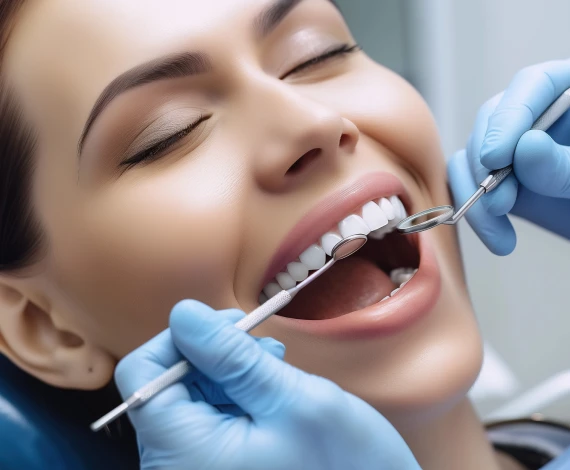
The entire appointment takes approximately 45 minutes. Professional whitening involves appropriate techniques, professional-grade materials, and custom-fitted trays under professional supervision, not simply applying a product.
Our Staff
Affordable Dentistry is our Passion

Dr Paulo Pinho
Dr Pinho is the founder of The Affordable Dentist Melbourne and made his goal to provide Affordable High Quality dentistry in Australia.

Dr Michael Spiteri
Dr Spiteri is responsible for most surgical dental extractions under local anaesthetic in Sydney.

Dr Naser Albarbari
Dr Abarbari offers surgical extractions including the removal of impacted wisdom teeth for our service.

Vicky Wang
Vicky is our second longest team member. Very popular and loved by all in our service.

Dr Albinia David
Dr Albinia satisfied the requirements of The Australian Dental Council as a General Dentist in 2021.

Joanna Ibrahim
Joanna is possibly the most popular member of our team.

Dr Evan Kuo
Dr Kuo believes that good dentistry work should last a life time.

Dr Gunaridis
Dr Gunaridis is known as one of the most accomplished dental implant surgeons in Australia.

Dr David Jang
David performs most complex cases with extremely high success rates.
Before Your Appointment
The Australian Dental Association recommends this assessment to minimise risks and ensure treatment suitability. It also ensures you understand what to expect rather than hoping for unachievable results.
Does Whitening Work on All Stains?
Tooth Sensitivity and Whitening
If you have existing sensitive teeth, tell your dentist before treatment. They can assess suitability and discuss necessary precautions. Sensitivity does not automatically rule out whitening but requires careful evaluation. Addressing underlying issues like gum recession or decay before whitening may be necessary.
Whitening Restorations
Professional vs At-Home Whitening
The main advantage of professional whitening is the dental assessment beforehand. Professional treatment includes:
- Dental assessment before proceeding
- Treatment tailored to your specific dental condition and discolouration type
- Professional-grade products and custom-fitted trays
- Ongoing professional guidance and support
At-home products vary significantly in assessment, supervision and customisation. A dentist can recommend an appropriate option based on your circumstances.
How Long Results Last
Whitening results are not permanent. Longevity depends on diet, smoking habits, oral hygiene, natural ageing and ongoing exposure to staining foods and drinks. For most people, results last several months to a few years with good maintenance. Regular dental visits and following aftercare advice extend results.
Costs and Timing
Our professional teeth whitening starts from $440 (subject to conditions). Cost varies depending on treatment recommended for your specific circumstances. During consultation, your dentist explains the plan, costs and expected results, so you make informed choices based on what’s right for your teeth rather than price alone. We believe transparent pricing with no hidden fees is important.
A typical appointment takes approximately 45 minutes, though this varies slightly depending on individual circumstances and the approach recommended.
Aftercare and Maintenance
Continue Regular Oral Hygiene
Attend Regular Dental Check-Ups
Follow Your Maintenance Plan
Reduce Staining Substances
Avoid Smoking
Think of whitening as the beginning of a brighter smile, not a permanent fix. Your daily habits continue influencing tooth colour, so maintenance is essential.
Book Your Consultation
The first step is a consultation with one of our dentists. We will assess your teeth, discuss your goals, answer questions and determine whether whitening is suitable.
Frequently Asked Questions
- +Can Teeth Whitening Remove Yellow Teeth?
- Yes, professional whitening can effectively address surface yellowing caused by coffee, tea, red wine and other staining foods and drinks. Age-related yellowing, where thinner enamel allows more of the naturally yellow dentine beneath to show through, may also improve, although whitening cannot completely reverse structural colour changes. Internal discolouration caused by factors such as tetracycline antibiotics or tooth trauma may respond less predictably to conventional whitening. Your dentist can assess the cause of the yellowing and discuss what results may be realistic for you.
- +Can Teeth Whitening Remove Deep or Internal Tooth Stains?
- Professional whitening works by allowing the bleaching agent to diffuse through the tooth structure, so it can address some internal stains. However, the cause and depth of the discolouration can affect the result. Staining associated with tetracycline antibiotics, severe fluorosis or trauma may respond less predictably to conventional whitening. Depending on the cause, your dentist may discuss alternatives such as composite bonding, veneers or internal bleaching, where a bleaching agent is placed inside a suitable tooth.
- +Can I Have Teeth Whitening if I Have Gum Disease or Tooth Decay?
- If you have active gum disease or untreated tooth decay, your dentist may recommend addressing these problems before whitening. Inflamed or receding gums can be more sensitive to whitening products, while untreated decay may increase the risk of discomfort or irritation. A dental assessment before treatment can identify these issues and determine whether whitening is suitable or whether other treatment should be completed first.
- +Should I Get My Teeth Cleaned Before Whitening?
- A professional cleaning may be recommended before whitening if you have plaque, tartar or significant surface staining. Removing these deposits provides a cleaner tooth surface and can help your dentist assess the underlying tooth colour and identify any dental or gum problems that may need attention. Your dentist can advise whether cleaning is appropriate before your whitening treatment.
- +Can Teeth Whitening Be Done if I Have Dental Fillings?
- Yes, but dental fillings do not whiten in the same way as natural teeth. If you have fillings on visible front teeth, whitening the surrounding natural teeth may make the fillings appear darker by comparison. Your dentist can assess the restorations and discuss whether whitening should be completed before replacing or shade-matching visible fillings to achieve a more consistent appearance.
- +Can I Eat and Drink Normally After Teeth Whitening?
- Your dentist will provide specific aftercare instructions based on the whitening system used. Many dentists recommend limiting strongly coloured foods and drinks, such as coffee, tea, red wine and dark sauces, for a period after treatment to help minimise new staining. If your teeth are sensitive after whitening, avoiding very hot or cold foods and drinks may also make you more comfortable.
- +What Should I Avoid After Teeth Whitening?
- After whitening, it is generally advisable to limit smoking and tobacco products and reduce exposure to strongly coloured foods and drinks that can contribute to staining. If your teeth are sensitive, very hot, cold or acidic foods and drinks may also cause discomfort. Avoid repeating whitening treatments sooner than recommended by your dentist. Following the aftercare instructions provided for your particular treatment can help maintain the result and manage sensitivity.
- +Can Teeth Whitening Make My Teeth Look Uneven?
- Potentially, yes. Natural teeth can have different levels and types of discolouration, while restorations such as crowns, veneers and fillings do not whiten like natural tooth structure. This can sometimes make differences in shade more noticeable after whitening. Your dentist can assess existing restorations and discolouration before treatment and discuss options for achieving a more consistent appearance.
- +Can One Tooth Be Whitened Separately From the Rest?
- Yes, in certain situations. A single darkened tooth, particularly one affected by trauma or previous root canal treatment, may sometimes be treated separately. Internal bleaching is a different procedure in which a bleaching agent is placed inside a suitable tooth. However, the final shade needs to be considered in relation to the surrounding teeth. Your dentist can assess the cause of the discolouration and determine whether treating one tooth separately is appropriate.
- +What Happens if Teeth Whitening Does Not Work on My Stains?
- If whitening does not produce the expected result, your dentist can first determine why the stain has not responded. Some intrinsic discolouration, restorations and certain stains caused by trauma or medications may respond less predictably to conventional whitening. Depending on the cause, alternatives may include composite bonding, veneers, internal bleaching or a combination of treatments. Your dentist can assess the tooth and recommend an appropriate option rather than simply increasing the strength or frequency of whitening.